

 A strong HAU presence at the Animal Welfare Research Network’s 10th Annual Conference
By the Harper Adams University Animals in Education Research Team This year marked a decade of the Animal Welfare Research Network …
Posted 8 October
A strong HAU presence at the Animal Welfare Research Network’s 10th Annual Conference
By the Harper Adams University Animals in Education Research Team This year marked a decade of the Animal Welfare Research Network …
Posted 8 October
PhDs are loading! MIBTP funded PhD opportunities at Harper Adams open now!
12 October 2026
We are delighted to announce that we again have a number of exciting funded PhD opportunities at Harper Adams University and lots of those are from within the Animal Behaviour and Welfare Research group. We have provided some brief project information for PhDs being supervised by members of the Animal Behaviour and Welfare Research Group. This blog will be updated as more are added so please keep checking back!
Closing date for applications is 23 November 2026 and project start dates are October 2027. More information about the partnership (including submission deadlines) can be found on the MIBTP website.
The projects!
The lead supervisors are the first ones listed – if you would like any information about these projects then please contact the lead supervisor, including the PhD title in your enquiry.
#1 - Balancing education and welfare: Quantifying the impact of farm animal use in education to inform evidence-based guidelines
Supervisors: Dr Holly Vickery and Dr Ellen Williams
Across both further and higher education farm animals are routinely used to teach students (McGreevy et al., 2007). In the UK, there are approximately 130 school farms used to support teaching (Cooke, personal communication). Farm animal teaching activities vary from observational (e.g. gait assessments, behavioural monitoring), to routine husbandry (foot trimming, health checking) or more invasive clinical skills (ex. pregnancy diagnosis via rectal examinations). Live animal use in education is considered essential for developing the required familiarity and proficiency expected of graduates (Vemulapalli et al., 2017). Whilst evidence demonstrates varied effects of human-animal-interactions on farmed animals (Mota-Rojas et al., 2020), literature in relation to the specific context of educational use is lacking. There is an urgent need to collect an evidence base quantifying the impact of educational training sessions on farmed animals, to inform welfare-friendly educational guidelines which support student learning without compromising animal welfare.
Objectives and research plan
- Quantify current farmed animal use in education with consideration of species, production cycle stage and skills taught. Consult with farm staff and academics to understand perceived welfare impacts and barriers to improved welfare.
- Quantify the welfare impacts (short and longer term) of current educational use on farmed animals on animal behaviour (activity budgets, qualitative behavioural assessment) and health data (locomotion, milk yield etc.), with consideration of species-specifics impacts and animal individuality.
- Develop evidence-based best practice guidelines for animal-welfare monitoring protocols for farmed animals in education.

More information about this project can be found here.
#2 - The Development of Behavioural Phenotypes in Eurasian Red Squirrels (Sciurus vulgaris): Interactions Between Individual Traits and Environmental Conditions
Supervisors: Dr Ellen Williams, Dr Kat Hamill & Dr Jack Bamber
Red squirrels (Sciurus vulgaris) are an important native species maintained in zoos across the UK as part of regulated, conservation breeding programmes. They are housed in a variety of enclosures that differ in design, complexity, social composition and management. Zoos represent a novel, highly variable environment in which animals must adapt to social, physical and management conditions that differ from the wild. Understanding how individual characteristics interact with environmental conditions within these systems can provide valuable insights into behavioural development and plasticity, which can shape animal management from the perspective of welfare and conservation. This PhD is an exciting collaboration with Peak Wildlife Park. The PhD aims to investigate the development and expression of behavioural phenotypes in zoo-housed red squirrels, with a particular focus on interactions between individual traits, developmental history, and environmental conditions across life stages.
Objectives and methods
1. Characterise behavioural phenotypes (at species and individual level) in zoo-housed red squirrels through multiple measures of personality and behaviour, including responses to novelty, exploratory behaviour, activity patterns and keeper questionnaires
2. Understand how individual characteristics (e.g. age, sex, personality and developmental history) influence behavioural variation through longitudinal behavioural monitoring. Where feasible, assessments will focus on the emergence and development of behavioural phenotypes in kittens from early life through maturation
3. Quantify the influence of environmental conditions on behaviour and welfare through multi-zoo comparisons and targeted observational studies
4. Develop evidence-based recommendations for in-situ and ex-situ red squirrel management to promote positive behavioural outcomes and support conservation breeding programmes, based on behavioural, environmental and welfare data collected across a suite of zoological collections
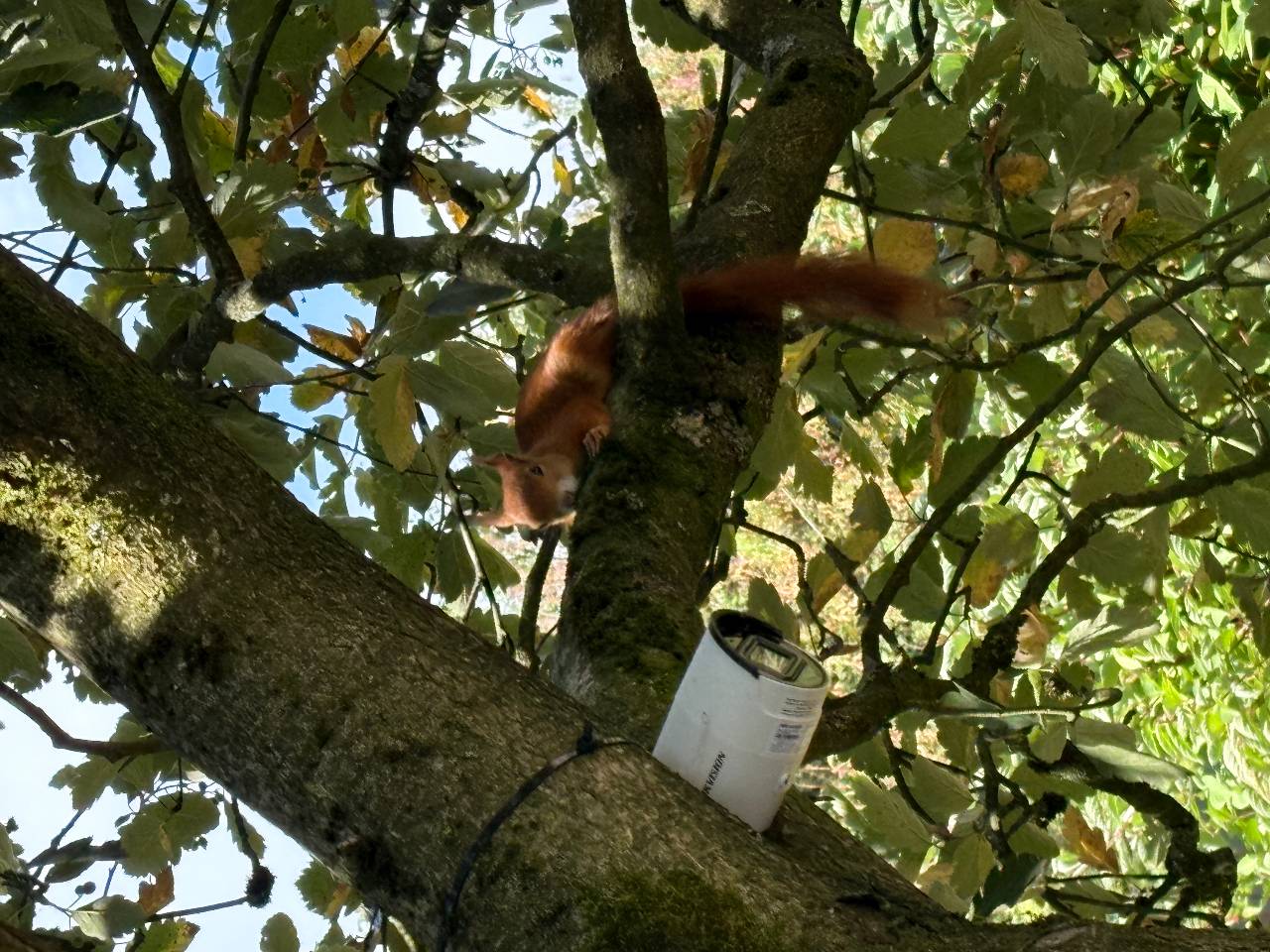
A squirrel at Peak Wildlife Park helping with the research! Photo credit: Lucy Berridge
More information about this project is available here.
#3 - Improving animal welfare practices in Veterinary Education: an evidence-based approach
Supervisors: Dr Holly Vickery and Dr Ellen Williams
Animals are routinely used to teach clinical skills to veterinary students (McGreevy et al. 2007) yet there is a lack of legislation in relation to their use and little research quantifying welfare impacts. Within veterinary education, requirements differ across accrediting bodies however providers are required to have animal use policies in place (AVMA, 2025; RCVS, 2023). Consultations with VE colleagues highlighted a lack of guidance on creating animal-use policies. Animals in VE are routinely exposed to a range of handling from potentially positive (e.g. light muscular palpation) to more aversive practicals (e.g. rectal examinations). Preliminary work undertaken by the project team has shown behavioural changes in companion and farm animals (Sadler et al., 2024). Students demonstrate a preference for teaching with live animals over the use of non-animal alternatives (Elcoro et al., 2013) and the practical nature of the activities is able to meet the needs of different learning styles (Vemulapalli et al., 2017). However, benefits for students must be weighed against animal welfare. There is an urgent need to quantify the impact of veterinary education provision on animals and to understand the impact of non-animal alternatives on students.
Objectives and methods
- Determine current animal use and perceived impacts of veterinary education on animals through a delphi consultation with colleagues in veterinary education. Consultation will focus on animal use, monitoring protocols and perceived areas of welfare compromise.
- Quantify the impacts of current veterinary education practicals on animals used in veterinary education through cross-disciplinary experiments. Analysis will focus on interactions between animal personality, health and practical type and animal responses.
- Understand the impacts of animal models in veterinary education provision through assessing student experiences and skills development when using non-animal model alternatives.
- Develop evidence-based best practice guidelines for animal use in veterinary education.

More information about this project is available here.
#4. Integrating Welfare and Epigenetics to Understand the Long-Term Effects of Captivity in Common Carp (Cyprinus carpio)
Supervisors: Dr Tharangani Herath, Dr Robert Mukiibi & Dr Ellen Williams
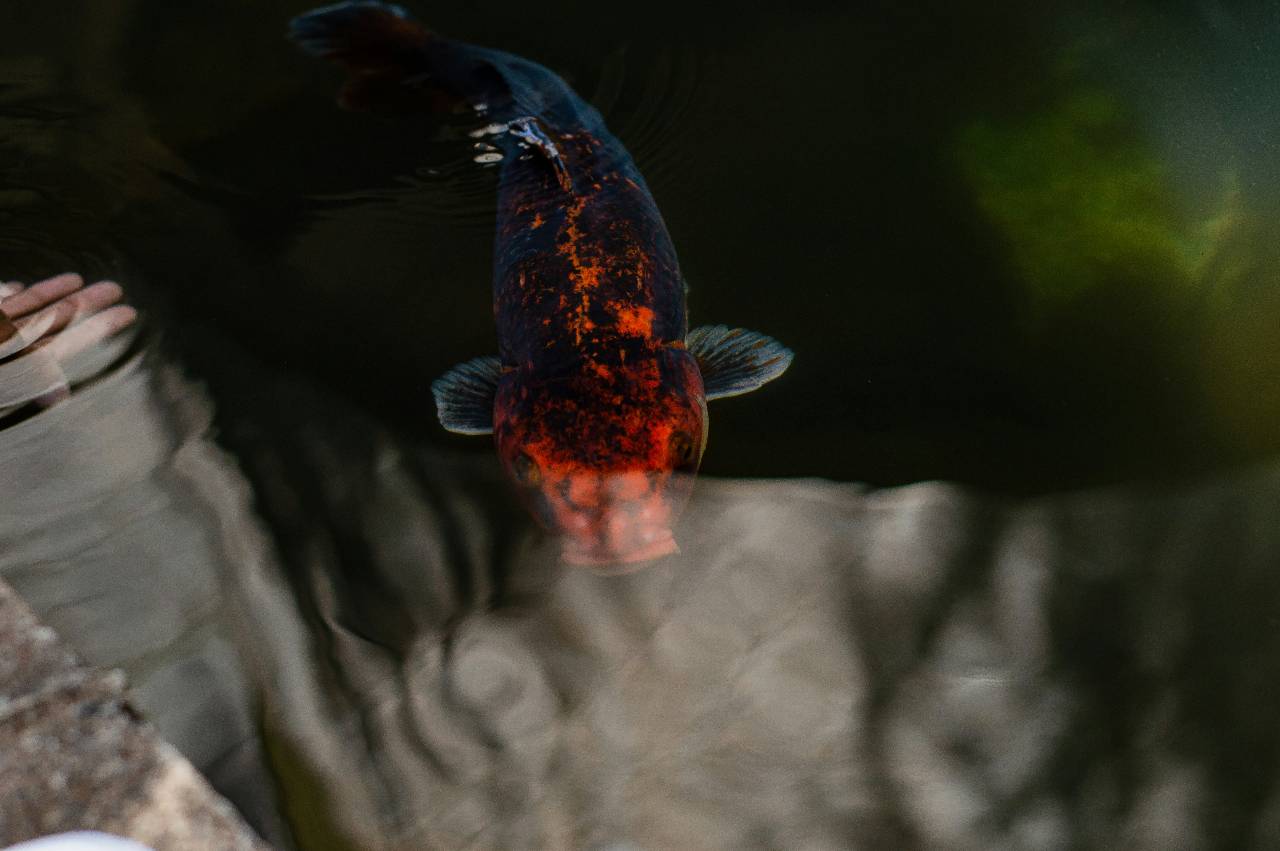
Environmental enrichment can improve fish welfare by providing opportunities for exploration, shelter and natural behaviours. However, we do not know whether long-term enrichment causes persistent biological changes beyond immediate behavioural and physiological responses. In particular, it is unclear whether enrichment alters DNA methylation in breeding fish and whether these changes are detectable in their gametes and offspring.
This project will determine whether long-term environmental enrichment alters welfare, stress and immune function in common carp and whether these responses are associated with DNA methylation changes detectable in the germline and offspring. To test our hypothesis, adult carp from a common breeding population will be maintained in either standard, structurally simple aquaria or enriched aquaria providing greater physical and spatial complexity. The fish husbandry conditions will be controlled between treatments. Behavioural, physiological and immune indicators will be measured over time to assess welfare. DNA methylation will be compared between treatments in adults, sperm and eggs to identify enrichment-associated changes and determine whether they occur in the germline. To test whether the enrichment-associated DNA methylation changes occur in the germline and remain detectable in developing offspring, embryos and offspring will be reared under identical common-garden conditions and sampled at defined developmental stages. DNA methylation will be compared across parents, gametes and offspring, alongside offspring behavioural and physiological measures.
The project will establish whether environmental enrichment influences the germline epigenome and associated changes persist into offspring. By linking captive environment, welfare and epigenetic responses, the findings will advance understanding of environmental effects on fish biology and provide evidence to improve captive fish welfare, husbandry and environmental design.
More information about this project is available here.
Related Posts
A strong HAU presence at the Animal Welfare Research Network’s 10th Annual Conference
By the Harper Adams University Animals in Education Research Team This year marked a decade of the Animal Welfare Research Network …
Posted 8 October
 Delivering the first joint ABWAK and UKACT workshop, with Wild Welfare
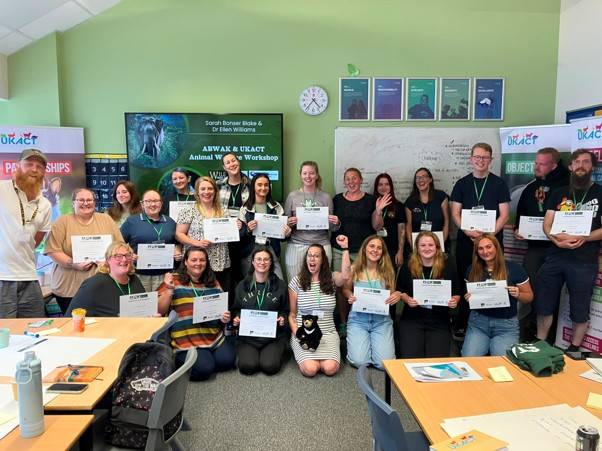
By Dr Ellen Williams August saw an exciting opportunity for me to co-deliver a workshop on animal welfare in zoos. Sarah Bonser-Blake, …
Posted 18 September
Delivering the first joint ABWAK and UKACT workshop, with Wild Welfare
By Dr Ellen Williams August saw an exciting opportunity for me to co-deliver a workshop on animal welfare in zoos. Sarah Bonser-Blake, …
Posted 18 September
 Showcasing Harper Adams at the UKACT Annual Conference 2026
By Dr Ellen Williams "Harper Adams are very well represented this year, aren’t they?"What a fabulous thing to hear at the UKACT A …
Posted 28 August
Showcasing Harper Adams at the UKACT Annual Conference 2026
By Dr Ellen Williams "Harper Adams are very well represented this year, aren’t they?"What a fabulous thing to hear at the UKACT A …
Posted 28 August
 Confused meerkat or sleek workshop host? A look into the BIAZA research conference 2026
By Dr Ellen Williams As a Professional Member of the British and Irish Association of Zoos and Aquariums (BIAZA) and a Member of their …
Posted 24 July
Confused meerkat or sleek workshop host? A look into the BIAZA research conference 2026
By Dr Ellen Williams As a Professional Member of the British and Irish Association of Zoos and Aquariums (BIAZA) and a Member of their …
Posted 24 July